Sciatica Treatment Glasgow
Ease nerve pressure and relieve lower back discomfort.
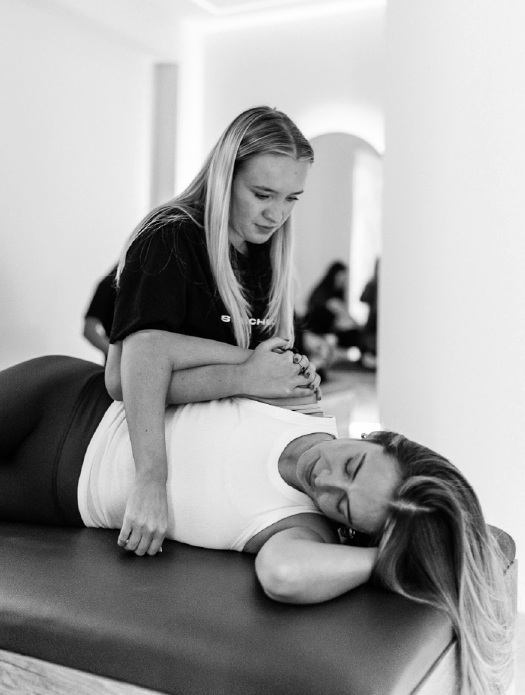

Ease nerve pressure and relieve lower back discomfort.
Sciatica can cause a sharp, shooting pain that runs from the lower back down through the hip, leg or foot. For some people, it feels like a dull ache that never fully goes away. For others, it comes in bursts that stop them in their tracks. The pain happens when the sciatic nerve is irritated or compressed, often due to tight muscles or pressure around the lower spine. Assisted stretching offers a safe and gentle way to ease that tension and support long-term relief.
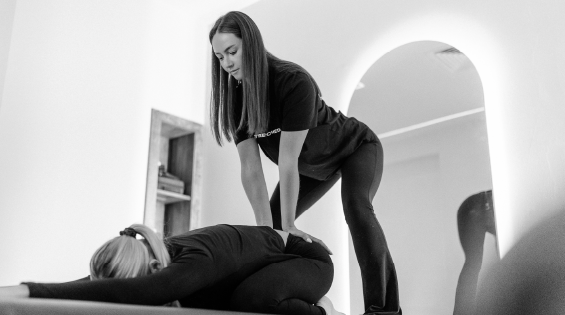
Assisted stretching is a guided form of movement carried out with the help of a trained professional. Instead of stretching alone, the therapist Assisted stretching is guided stretching carried out with the help of a trained professional. During each session, the therapist moves your body through controlled stretches while you stay relaxed. This approach allows for a deeper and more precise release of tension in the muscles that affect the lower back and hips.
Unlike stretching on your own, you do not have to worry about straining or moving too far. The therapist supports each motion, ensuring the stretch stays within a comfortable and safe range. The goal is to help the body move more freely and relieve the pressure that may be affecting the sciatic nerve.
The sciatic nerve runs from the lower spine down through the hips and legs. When something compresses or irritates this nerve, it can cause pain, tingling or numbness along its path. The most common causes include tight muscles, herniated discs, poor posture or inflammation in the lower back.
Sitting for long hours can also make the problem worse. When we sit, especially with poor posture, the hips tighten and the lower back takes extra strain. Over time, this tension can irritate the sciatic nerve. People who lift heavy objects, train intensely or stand for long periods may experience similar pressure on the lower back and hips.

Gentle stretching keeps joints moving and prevents rigidity. Encourages circulation and reduces inflammation.
Flexible muscles and tendons support movement more effectively, reducing strain on affected joints.
Movement releases natural endorphins and increases blood flow to clear inflammatory substances.
Restores balance and flexibility, helping the whole body move more naturally and comfortably.
As pain eases, staying active and independent becomes easier, improving daily wellbeing and confidence.
Trained therapists guide each movement safely, adapting to your unique needs and comfort level.
Assisted stretching helps by easing the muscle tension that contributes to nerve irritation. When the muscles around the hips, lower back and legs relax, pressure on the sciatic nerve often reduces. This can bring relief from pain and make it easier to move without discomfort.
Stretching also improves flexibility, which allows the spine and hips to move in a balanced way. Better flexibility means less pulling on the lower back during daily activities. For many people, this helps prevent flare-ups and supports long-term improvement.
Regular stretching sessions can also improve posture, which plays a major role in managing sciatica. When posture improves, the body distributes weight evenly, reducing strain on the lower back. Many people also notice better circulation, which supports healing and reduces stiffness after sitting or exercise.
A therapist guides the body through slow and controlled stretches that target the muscles linked to sciatic pain. These usually include the hamstrings, glutes, hip flexors and lower back. Tightness in these areas often traps or irritates the nerve, so releasing that tension is key.
A typical session might start with gentle stretches for the lower spine and hips to release deep tension. The therapist may move one leg across the body to stretch the glutes or lift it gently to open the hamstrings. Every movement is guided carefully to avoid strain while encouraging better mobility.
The therapist monitors your comfort level throughout and adjusts the stretch as needed. Over time, these guided sessions help lengthen tight muscles, increase flexibility and reduce nerve pressure.
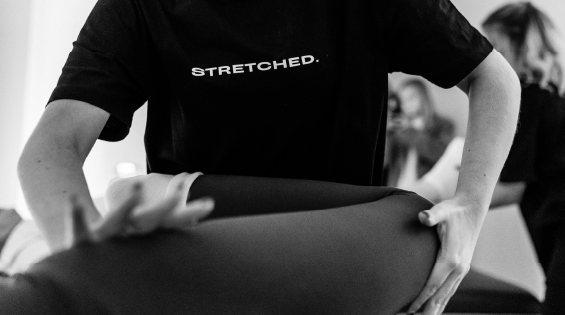
Anyone experiencing sciatica or related discomfort can benefit from assisted stretching. People with jobs that involve long hours of sitting, driving or standing often find relief when the hips and back are loosened.
Athletes and active individuals may use stretching to recover from training or prevent flare-ups caused by overuse. Older adults who feel stiffness in the lower back or reduced mobility can also benefit from gentle, guided movement that keeps the joints and muscles active.
Even those recovering from injury may use assisted stretching as part of rehabilitation, as long as it is done under professional supervision. It helps restore movement without adding stress to the affected area.
Book a consultation to see how assisted stretching can help you move more comfortably.
Sciatica can vary in severity, so it is important to stretch safely. Assisted stretching should never cause sharp or shooting pain. The movements should feel gentle, controlled and comfortable.
Working with a trained professional ensures that the stretches are performed correctly and within your body’s limits. If the pain is linked to a slipped disc or serious spinal condition, it is best to consult a healthcare provider before starting any stretching routine.
Once cleared, regular assisted stretching sessions can complement other treatments such as physiotherapy, massage or exercise. The key is to move consistently and stay within a range that supports healing rather than strain.
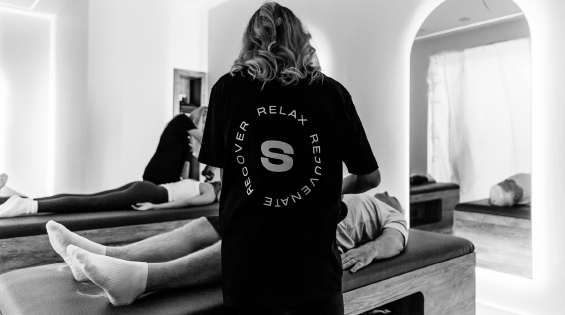
Improvement with sciatica takes time. A single session can ease stiffness, but lasting results come from regular practice. Muscles need to be trained to stay flexible and balanced, especially around the hips and spine.
Keeping up with regular stretching helps maintain these benefits. Even between sessions, gentle activity like walking, mobility work or light home stretches can stop the muscles from tightening again. The combination of professional guidance and steady movement creates the best chance of long-term relief.
Sciatica can make even simple movements painful. It can affect sleep, posture and confidence in daily life. Assisted stretching provides a calm and effective way to reduce muscle tension, ease nerve pressure and restore comfort.
With the support of a trained professional, you can move more freely, strengthen your posture and reduce the likelihood of flare-ups. Over time, this gentle approach can help the body find balance again and bring lasting relief from sciatic pain.
Gentle movement to reduce stiffness and improve comfort.
• Eases joint pain through safe, guided stretches
• Improves flexibility and mobility
• Supports confidence in everyday movement
Restore comfort and strength through guided stretching.
• Relieves muscle tension and pressure on the spine
• Promotes better posture and flexibility
• Encourages natural, pain-free movement
Gradual, guided movement to restore shoulder mobility.
• Reduces pain and stiffness
• Improves range of motion safely
• Helps prevent the shoulder from tightening again
Release tension and restore flexibility in the legs.
• Loosens tight muscles safely
• Reduces strain on the hips and lower back
• Improves balance and movement
Gentle support to reduce hip pain and stiffness.
• Increases hip mobility and comfort
• Reduces pressure on the lower back
• Restores balance and strength in movement
Restore freedom of movement and joint comfort.
• Reduces stiffness and swelling
• Eases muscle tension around the joints
• Helps maintain flexibility and independence
Gentle stretches to support healthy, flexible knees.
• Reduces pressure and stiffness
• Strengthens supporting muscles
• Improves movement and stability
Relief from heel and foot pain through gentle stretching.
• Reduces tension in the calves and feet
• Supports recovery and flexibility
• Promotes pain-free walking and movement
Improve alignment and reduce pain with better posture.
• Loosens tight chest and shoulder muscles
• Strengthens the back for natural alignment
• Reduces strain from long hours of sitting
Ease nerve pressure and relieve lower back discomfort.
• Reduces tightness around the spine and hips
• Promotes smooth, pain-free movement
• Helps prevent future flare-ups
Restore shoulder comfort and movement safely.
• Relieves muscle tension and joint stiffness
• Improves flexibility and posture
• Helps restore confidence in movement
Support faster recovery and better performance.
• Reduces soreness after training
• Improves flexibility and balance
• Helps prevent injury and fatigue
STRETCHED GLASGOW
140-142 Woodlands Road
Glasgow
G3 6LF
Phone: 0141 378 9472
Email: Send a message
Location: Google Maps
Mon – Fri 10am to 8pm
Sat & Sun 10am to 6pm
STRETCHED EDINBURGH
107 Hanover Street
Edinburgh
EH2 1DJ
Phone: 0131 563 4430
Email: Send a message
Location: Google Maps
Monday – 10am to 8pm
Wednesday – Friday 10am to 8pm
Saturday 10am to 6pm
Sunday 10am to 5pm
(Closed On Tuesday)
STRETCHED MANCHESTER
81 Fountain Street
Manchester
M2 2EE
Phone: 0161 376 8198
Email: Send a message
Location: Google Maps
Monday – 10am to 8pm
Wednesday – Friday 10am to 8pm
Saturday 10am to 6pm
Sunday 10am to 5pm
(Closed On Tuesday)